
Smart Farming in Diepsloot: Inside the Green Acres Hydro-Coop Pilot
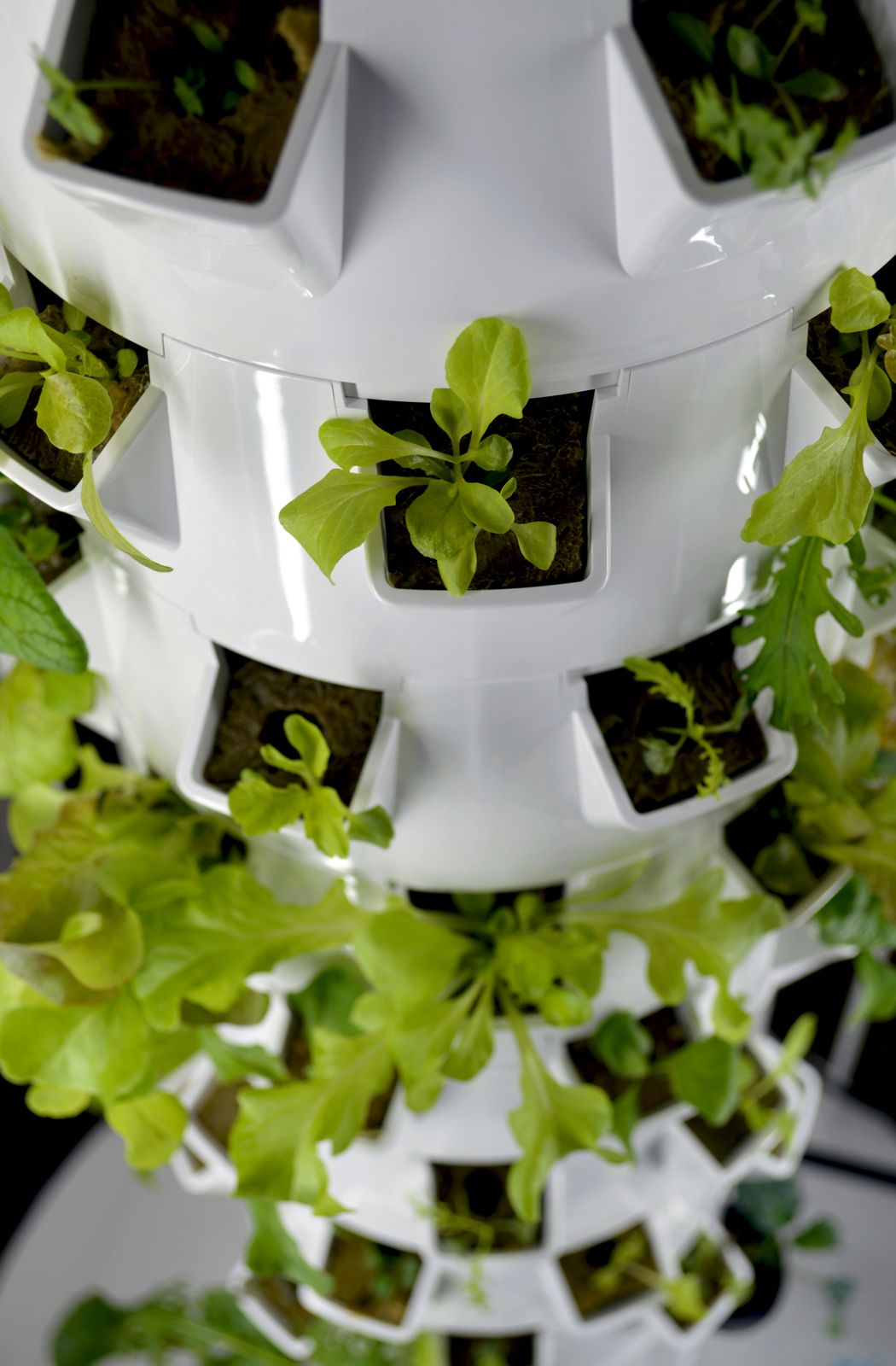
Twenty young people in Diepsloot are proving that smart farming can tackle youth unemployment and food insecurity at the same time. Through the Green Acres Hydro-Coop pilot at Afrika Tikkun's Green Acres Farm, they are running their own revenue-generating micro-farms, using technology built for communities with limited infrastructure.
What is a Hydro-Coop unit?
A Hydro-Coop unit is a smart farming system that combines poultry production with hydroponic vegetable growing in one compact setup. It is designed to work in urban, rural and remote areas where water, power and space are scarce. Each unit is:
- Solar-powered, so it keeps running where grid electricity is unreliable
- Compact and mobile, so it fits where conventional farms cannot
- Water-wise, using far less water than traditional farming
- Sustainable, with crops grown using biodiversity-friendly methods
Training that turns into trading
The 12-month pilot began in February 2026. Participants trained in hydroponics, farm management and entrepreneurship, and launched their own micro-enterprises while still learning. Within three months, the cohort had moved from training into early-stage business, producing food and learning to run it commercially.
The first cohort is made up of 19 young women and one young man living with a disability.
Read why we built this cohort around young women in our companion post.
A route to market from day one
Growing food is only half a business. To give participants a reliable outlet, Afrika Tikkun has partnered with Garden Fresh at Nine Yards, Johannesburg's new green town square, and other retail outlets. Participants also gain sales and customer service experience in a customer-facing retail space linked to the programme.
What 20 micro-farms can produce
If production targets are met, the 20 enterprises together are expected to deliver each year:
| Annual target | Amount |
|---|---|
| Chickens | 22 400 |
| Vegetables | 60 000 |
| Meals | About 228 000 |
| Water saved | Up to 1.5 million litres |
"These youth aren't just farming for today; they are building the businesses of tomorrow."
Marc Lubner, Group CEO, Afrika Tikkun
The partners behind the pilot
The programme is funded and supported by E Squared Investments, which sees small-scale agritech as a practical pathway to income, food security and local economic growth. Agritech business UrbanFarm Africa is the service provider. It has delivered 271 smart farming projects, trained more than 7 500 people and helped participating farmers generate R250 million over five years. Meet more of our donors and partners.
A second cohort of 20 participants is planned for 2027. The long-term goal is to take the Hydro-Coop model into more communities across South Africa.
Help us grow the next cohort
Every rand moves a young South African further from cradle to career.
- Donate: fund micro-farms, training and mentorship. South African donors receive a Section 18A tax certificate. Donate today
- Partner with us: retailers, funders and agribusinesses can offer market access, mentorship or cohort sponsorship. Get in touch
- Learn more: explore our Agripreneurship programme.
Frequently asked questions
- What does a Hydro-Coop unit produce?
- Both chickens and vegetables. It combines poultry production with hydroponic vegetable growing in a single solar-powered system.
- How much water does hydroponic farming save?
- The 20 Diepsloot enterprises are expected to save up to 1.5 million litres of water a year compared with conventional farming.
- Where is the produce sold?
- Through Garden Fresh at Nine Yards in Johannesburg, other retail outlets, and a retail space linked to the programme.
- When is the next intake?
- A new cohort of 20 participants is planned for 2027.